
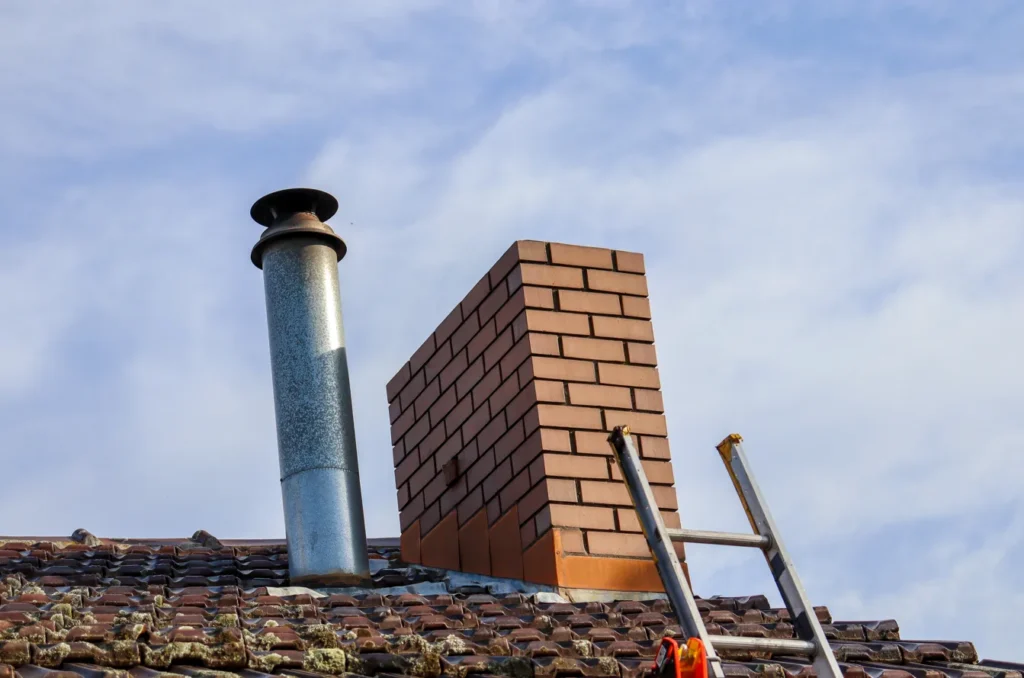
A fireplace adds warmth, comfort, and charm to any home, especially during cold Boston winters. But while many homeowners enjoy using their fireplace regularly, chimney maintenance is often overlooked. Over time, soot, creosote, debris, and even animal nests can build up inside the chimney system. If a chimney is never cleaned, these hidden problems can become serious safety hazards that affect both your home and your health.
At Mass Green Air Duct Cleaning, homeowners often ask how important chimney cleaning really is. The truth is that neglecting chimney maintenance can lead to fire risks, poor indoor air quality, expensive repairs, and even structural damage. Understanding what happens when a chimney is left uncleaned for years can help homeowners protect their property and family.
Why Chimney Cleaning Matters?
Every time a fireplace is used, smoke, ash, and gases travel through the chimney. During this process, creosote forms and sticks to the inner walls of the chimney liner. Creosote is a highly flammable residue created by burning wood. Along with soot and debris, it gradually narrows the chimney passage and reduces airflow.
A properly cleaned chimney allows smoke and harmful gases to exit safely. Without regular cleaning, the chimney system becomes less efficient and far more dangerous.
Creosote Buildup Increases Fire Risk
One of the biggest dangers of an unclean chimney is creosote accumulation. Creosote can ignite when temperatures inside the chimney become high enough, causing a chimney fire.
What Is Creosote?
Creosote is a dark, tar-like substance that develops when wood smoke cools inside the chimney. It usually forms in layers and becomes harder to remove over time. There are different stages of creosote buildup, ranging from flaky soot to thick glazed deposits.
Why Chimney Fires Are Dangerous
Chimney fires can spread quickly to other parts of the home. Even small chimney fires may crack the chimney liner or damage surrounding materials. In severe cases, they can destroy the entire house.
Some chimney fires are loud and noticeable, while others happen slowly and silently. Homeowners may not even realize damage has occurred until major structural problems appear later.
Regular chimney cleaning greatly reduces the chance of dangerous creosote ignition.
Smoke Can Enter Your Home
A blocked or dirty chimney often struggles to vent smoke properly. Instead of moving upward and outside, smoke can flow back into the home.
Signs of Poor Chimney Ventilation
Homeowners may notice several warning signs, including:
- Smoke entering rooms during fireplace use
- A strong burnt odor
- Excessive soot near the fireplace
- Difficulty starting or maintaining fires
Smoke exposure inside the home can irritate the eyes, throat, and lungs. It may also worsen respiratory conditions such as asthma or allergies.
Also Read: Top Signs Your Chimney Needs Immediate Cleaning
Carbon Monoxide Exposure Becomes More Likely
An unclean chimney may also trap dangerous gases, including carbon monoxide. This odorless and colorless gas is extremely hazardous because it cannot be detected without proper equipment.
How Carbon Monoxide Problems Occur
When airflow becomes restricted, combustion gases cannot escape effectively. Carbon monoxide may then circulate back into the home instead of exiting outdoors.
Common symptoms of carbon monoxide exposure include:
- Headaches
- Dizziness
- Nausea
- Fatigue
- Confusion
In severe cases, carbon monoxide poisoning can be fatal. Routine chimney inspections and cleanings help ensure proper ventilation and safer indoor air quality.
Animals and Debris Can Block the Chimney
Chimneys often attract birds, squirrels, raccoons, and other animals looking for shelter. Leaves, branches, and outdoor debris can also enter the chimney over time.
Problems Caused by Chimney Blockages
Animal nests and debris can create serious airflow restrictions. These blockages increase the risk of smoke backup and carbon monoxide exposure. In some situations, trapped nesting materials may catch fire inside the chimney.
Blocked chimneys can also cause unpleasant odors throughout the home, especially during humid weather.
Installing a chimney cap and scheduling regular cleanings can help prevent these issues.
Moisture Damage Can Destroy the Chimney
Many homeowners assume chimneys are resistant to weather damage, but moisture is actually one of the biggest threats to chimney systems.
How Moisture Affects Chimneys
When chimneys are not maintained, cracks and gaps can allow water to enter. Combined with soot and creosote buildup, moisture creates acidic conditions that gradually weaken masonry materials.
Over time, water damage can lead to:
- Cracked bricks
- Damaged mortar joints
- Rusted dampers
- Chimney liner deterioration
- Mold growth
In Boston’s cold climate, freeze-thaw cycles can make moisture damage even worse. Water trapped inside small cracks expands when frozen, causing bricks and masonry to break apart.
Chimney Liners Can Deteriorate
The chimney liner plays a critical role in protecting the home from heat and combustion gases. When chimneys are never cleaned, corrosive materials can wear down the liner over time.
Why Chimney Liners Matter
A damaged chimney liner increases the risk of house fires because heat and sparks may reach nearby combustible materials inside walls or ceilings.
Cracked liners also allow dangerous gases to leak into living spaces. If liner damage goes unnoticed for years, repairs can become extremely expensive.
Professional chimney inspections help identify liner issues before they become severe.
Fireplace Efficiency Decreases
A dirty chimney does not function as efficiently as a clean one. Restricted airflow makes it harder for fires to burn properly, which can affect heating performance.
Common Efficiency Problems
Homeowners may notice:
- Fires that burn weakly
- More smoke production
- Difficulty keeping the fire lit
- Increased wood consumption
Poor fireplace efficiency can make heating less effective during winter months. Keeping the chimney clean improves airflow and helps the fireplace operate more safely and efficiently.
Bad Odors Can Develop
One of the most common complaints associated with dirty chimneys is unpleasant odor buildup.
What Causes Chimney Odors?
Creosote, soot, moisture, and animal debris can all contribute to strong smells. During humid weather, these odors often become more noticeable throughout the home.
Dirty chimneys may produce smells similar to:
- Burnt wood
- Campfire smoke
- Tar or asphalt
- Musty or damp odors
Regular chimney maintenance helps eliminate these lingering odors and improves overall indoor comfort.
Mold and Air Quality Problems May Appear
Moisture inside neglected chimneys can encourage mold and mildew growth. Once mold develops, spores may spread through the home and negatively affect indoor air quality.
Health Risks of Mold Exposure
Mold exposure may trigger:
- Allergy symptoms
- Coughing
- Sneezing
- Respiratory irritation
- Asthma flare-ups
For households with children, elderly individuals, or people with respiratory conditions, poor indoor air quality can become a serious concern.
Professional chimney cleaning helps reduce contaminants that affect the air inside your home.
Expensive Repairs Become More Likely
Ignoring chimney maintenance for years often leads to costly structural problems.
Common Long-Term Chimney Repairs
Neglected chimneys may eventually require:
- Masonry rebuilding
- Chimney liner replacement
- Crown repair
- Flashing replacement
- Water damage restoration
Routine cleaning and inspections are far less expensive than major chimney reconstruction. Preventive maintenance helps homeowners avoid unexpected repair bills and preserve the lifespan of the chimney system.
How Often Should a Chimney Be Cleaned?
The National Fire Protection Association recommends that chimneys be inspected at least once per year. The frequency of cleaning depends on fireplace usage, wood type, and the amount of creosote buildup present.
Factors That Increase Creosote Buildup
Certain conditions may cause chimneys to become dirty more quickly, including:
- Burning unseasoned wood
- Frequent fireplace use
- Poor ventilation
- Low-temperature fires
Homeowners who use their fireplace regularly during Boston winters should prioritize annual chimney maintenance.
Warning Signs Your Chimney Needs Cleaning
Some homeowners are unsure whether their chimney requires professional attention. Several warning signs may indicate it is time for a cleaning.
Common Signs Include
- Strong smoky odors
- Excess soot around the fireplace
- Smoke backing into rooms
- Black creosote buildup
- Poor fireplace performance
- Animal sounds inside the chimney
Ignoring these signs can allow small problems to become much larger and more dangerous over time.
Protect Your Home With Professional Chimney Cleaning
A clean chimney is essential for maintaining a safe, efficient, and comfortable home. Neglecting chimney maintenance can lead to chimney fires, toxic gas exposure, moisture damage, poor indoor air quality, and expensive repairs.
For homeowners in Boston, routine chimney cleaning is especially important during the colder months when fireplaces are used more frequently. Professional maintenance helps ensure your chimney system operates safely while protecting your family and property from unnecessary risks.
If your chimney has not been cleaned recently, now is the perfect time to schedule an inspection and cleaning service. Mass Green Air Duct Cleaning proudly provides professional chimney cleaning and air quality services in Boston. Contact our team today to help keep your home safer, cleaner, and more energy efficient throughout the year.