
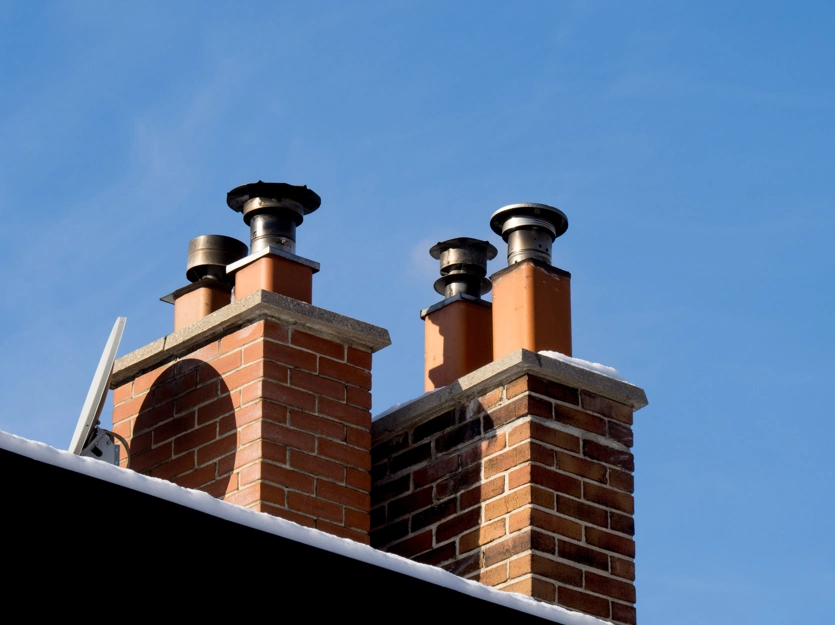
Your chimney does more than carry smoke out of your home. It protects indoor air quality, supports fireplace efficiency, and lowers the risk of dangerous house fires.
Many homeowners ignore chimney maintenance until they notice smoke problems, strange odors, or poor fireplace performance. By that point, the buildup inside the flue may already create serious safety concerns. Regular chimney cleaning keeps your heating system working properly and helps you avoid expensive repairs later. The real question is not whether you should clean your chimney.
The important question is how often you should schedule professional chimney cleaning based on your fireplace usage, fuel type, and overall chimney condition.
Why Chimney Cleaning Matters More Than Most Homeowners Realize?
Every time you burn wood, gas, or pellets, your chimney collects residue. Wood-burning fireplaces create creosote, which sticks to chimney walls over time. This dark and tar-like substance catches fire easily. Even a thin layer of creosote can increase the risk of a chimney fire.
At the same time, soot, ash, animal nests, moisture, and debris can block airflow inside the chimney. Poor airflow affects fireplace efficiency and sends smoke back into your living space. It can also expose your family to carbon monoxide and harmful indoor pollutants.
A clean chimney improves ventilation, supports safer burning, and extends the lifespan of your fireplace system. It also helps technicians detect early signs of structural damage before small issues turn into major repairs.
How Often Should You Clean Your Chimney?
Most chimney professionals recommend cleaning and inspecting your chimney at least once a year. However, the ideal schedule depends on how often you use your fireplace and what type of fuel you burn.
If you use your fireplace occasionally during winter, annual cleaning usually works well. Homeowners who rely heavily on wood-burning fireplaces may need cleaning every few months during peak usage seasons.
The National Fire Protection Association recommends annual chimney inspections regardless of usage levels. Even chimneys that sit unused for long periods can develop blockages, moisture problems, or animal infestations.
Occasional Fireplace Use
If you light a fire only a few times each winter, schedule a professional inspection and cleaning once a year. Light use still creates residue, especially if you burn unseasoned wood or low-quality fuel.
Birds and small animals also enter unused chimneys during warmer months. Leaves, twigs, and nests can block airflow before winter begins.
Moderate Fireplace Use
Homeowners who use their fireplace weekly during colder months should monitor creosote buildup more carefully. In many cases, cleaning every six months provides better protection and performance.
Frequent burning produces thicker soot layers and increases the risk of restricted airflow. A professional sweep can remove buildup before it becomes dangerous.
Also Read: Top Signs Your Chimney Needs Immediate Cleaning
Heavy Fireplace Use
If your fireplace operates almost daily during winter, you may need chimney cleaning after every cord of wood burned. Heavy usage creates rapid creosote accumulation, especially in older chimneys or poorly ventilated systems.
Professional chimney sweeps often recommend multiple inspections during the heating season for homes with constant fireplace use.
Also read: Top Signs Your Chimney Needs Immediate Cleaning
The Type of Fireplace Also Affects Cleaning Frequency
Different heating systems produce different levels of residue and buildup. The fuel you burn plays a major role in determining your chimney maintenance schedule.
Wood-Burning Fireplaces
Wood-burning fireplaces require the most frequent cleaning. Burning wood releases smoke particles, moisture, and creosote that cling to the flue lining.
Wet or unseasoned wood creates even more buildup because it burns inefficiently. Softwoods like pine also produce higher creosote levels than seasoned hardwoods.
If you own a traditional wood-burning fireplace, annual inspections should never become optional.
Gas Fireplaces
Many homeowners assume gas fireplaces never need chimney cleaning. That assumption creates problems over time.
Gas systems produce fewer residues than wood-burning units, but they still develop blockages, corrosion, and venting issues. Dust, debris, and animal nests can affect airflow inside gas fireplace vents.
You should still schedule annual inspections for gas fireplaces to ensure safe operation and proper ventilation.
Pellet Stoves
Pellet stoves burn cleaner than wood fireplaces, but they still create ash and soot buildup. Pellet quality also affects residue levels.
Most pellet stove manufacturers recommend cleaning every year or after burning a specific amount of fuel. Frequent users may need more regular maintenance during winter months.
Warning Signs Your Chimney Needs Immediate Cleaning
Waiting for a yearly appointment does not always work. Some chimneys require immediate attention because of heavy buildup or airflow restrictions.
Several warning signs indicate your chimney needs professional cleaning sooner rather than later.
Smoke Enters Your Home
A properly functioning chimney should direct smoke outside immediately. If smoke drifts into your room, the flue may contain blockages or heavy creosote buildup.
Ignoring this issue can affect indoor air quality and increase carbon monoxide risks.
Strong Burning Odors
A strong smoky or burnt smell coming from the fireplace often points to excessive creosote accumulation. Warm weather and humidity can intensify these odors during summer months.
Professional cleaning removes the residue causing these unpleasant smells.
Poor Fire Performance
If fires struggle to stay lit or produce weak flames, restricted airflow may affect combustion. Chimney blockages reduce oxygen flow and lower fireplace efficiency.
Black Residue Around the Fireplace
Visible black soot around the fireplace opening often signals excessive buildup inside the chimney. This issue usually appears alongside poor ventilation and dirty flue walls.
Animal Sounds or Debris
Scratching noises, falling debris, or nesting materials inside the fireplace often indicate animal activity in the chimney. Birds, raccoons, and squirrels commonly enter uncapped chimneys.
Professional cleaning removes nests safely and restores proper airflow.
Protect Your Home With Professional Chimney Cleaning
Your chimney works hard every winter to keep your home warm and comfortable. Regular cleaning keeps that system safe, efficient, and reliable throughout the year.
Whether you use your fireplace occasionally or every day during winter, professional chimney maintenance should remain part of your yearly home care routine. Waiting too long increases fire risks, lowers efficiency, and allows hidden damage to grow.
If you want dependable chimney and ventilation services, trust Mass Green Air Duct Cleaning for professional support. Their experienced team helps homeowners maintain cleaner, safer, and healthier indoor environments with reliable chimney and air duct cleaning services tailored to every home.