
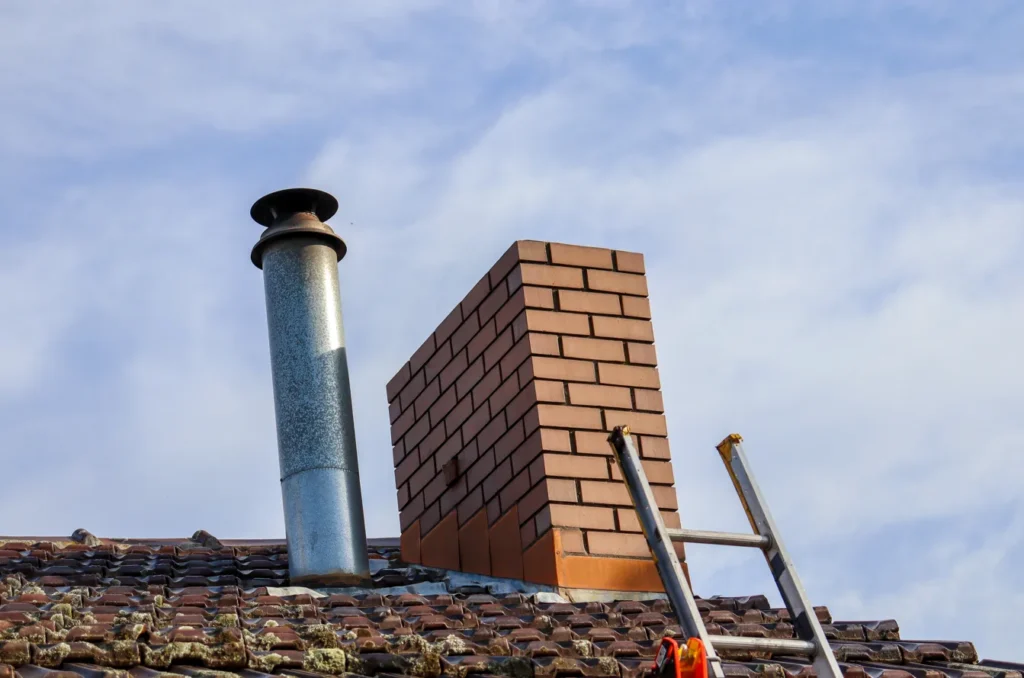
A chimney that has not been cleaned in over a year is a risk you cannot see from the outside. Creosote builds up inside the flue, airflow decreases, and the chance of a chimney fire goes up with every use. In a city like Boston, where winters are long and heating systems run for months, ignoring these signs puts your property and the people inside it in danger. If you have been putting off chimney cleaning in Boston homes and businesses need before the cold season, this blog will help you recognize when the job cannot wait any longer.
Strong Smell Coming from the Fireplace
One of the first signs most people notice is a strong, smoky, or tar-like smell coming from the fireplace, even when it is not in use. This smell comes from creosote buildup inside the chimney liner. Creosote is a byproduct of burning wood, and it sticks to the inner walls of the flue in layers. When humidity rises during Boston summers, that smell gets stronger and spreads into the room.
If you walk into a room and notice that odor without a fire burning, your chimney has enough creosote buildup to need cleaning. For restaurants, hotels, and commercial buildings with working fireplaces, this smell can affect the experience of every person who walks in.
Smoke Filling the Room When You Light a Fire
A fireplace that sends smoke back into the room instead of up the chimney is dealing with a blockage. Creosote, bird nests, leaves, and debris can narrow or block the flue to the point where smoke has nowhere to go but back inside. This is a health hazard because the smoke carries carbon monoxide, particulate matter, and other gases that should never enter an occupied space.
According to the Chimney Safety Institute of America, a blocked or dirty chimney is one of the leading causes of residential chimney fires and carbon monoxide incidents in the United States. For commercial properties in Boston, this is also a liability and code compliance issue.
Visible Creosote or Soot Buildup
If you look inside the firebox and see a thick, black, tar-like coating on the walls or the damper, that is creosote. There are three stages of creosote buildup:
- Stage 1: Light, flaky soot that brushes off. This is normal after a few uses and is the easiest to clean.
- Stage 2: A shiny, hard layer that sticks to the flue walls. This requires professional tools to remove.
- Stage 3: A thick, glazed coating that is dense and hard to remove. This stage is a serious fire hazard and needs immediate attention.
Chimney cleaning Boston professionals can identify the stage of buildup during an inspection and recommend the right level of service based on what they find.
Also Read: Top 10 Warning Signs Your Dryer Vent Is Clogged
You Have Not Had the Chimney Cleaned in Over a Year
The National Fire Protection Association recommends that chimneys be inspected and cleaned at least once a year. If your last cleaning was more than 12 months ago and you have been using the fireplace or heating system through a Boston winter, the flue is overdue for service.
For commercial buildings with high-use fireplaces, like restaurants with wood-burning ovens or event venues with decorative hearths, cleaning may be needed more than once per year, depending on usage frequency.
Fires Are Harder to Start or Keep Going
If your fires are struggling to catch or keep burning, poor airflow through the chimney is the most likely cause. A dirty or blocked flue restricts the draft that pulls air through the firebox and up the chimney. Without that draft, fires burn weakly, produce more smoke, and create more creosote, which makes the problem worse with every use.
Damper Issues Connected to Buildup
Sometimes the damper gets stuck because creosote or soot has coated the moving parts. If the damper does not open or close all the way, it affects both fire performance and energy efficiency. During the off-season, a stuck damper lets outside air pour into the building, raising heating and cooling costs.
Animals or Debris Falling Into the Firebox
If you hear scratching, chirping, or see debris falling into the firebox, animals may have nested inside the chimney. Birds, squirrels, and raccoons are common in Boston chimneys, especially during spring and fall. A chimney cap prevents this, but many older buildings in the Boston area do not have one installed.
Animal nests block the flue and create fire hazards. Removing them requires professional cleaning and, in some cases, installation of a chimney cap and screen to prevent future entry.
Water Stains or White Residue on the Chimney Exterior
White staining on the outside of a chimney is called efflorescence. It happens when moisture moves through the masonry and brings salt deposits to the surface. This means water is getting into the chimney structure, which can damage the liner, weaken the mortar, and accelerate creosote-related issues inside the flue.
How Mass Green Air Duct Cleaning Can Help?
Mass Green Air Duct Cleaning provides chimney cleaning to Boston property owners who count on us for both residential and commercial buildings. Our team handles full chimney sweeps, creosote removal, inspections, and blockage clearing across the greater Boston area. We work around your schedule and provide a full report after every visit so you know the condition of your chimney before and after the job.
Call us today and get the cleaning done before the next cold stretch hits Boston.