
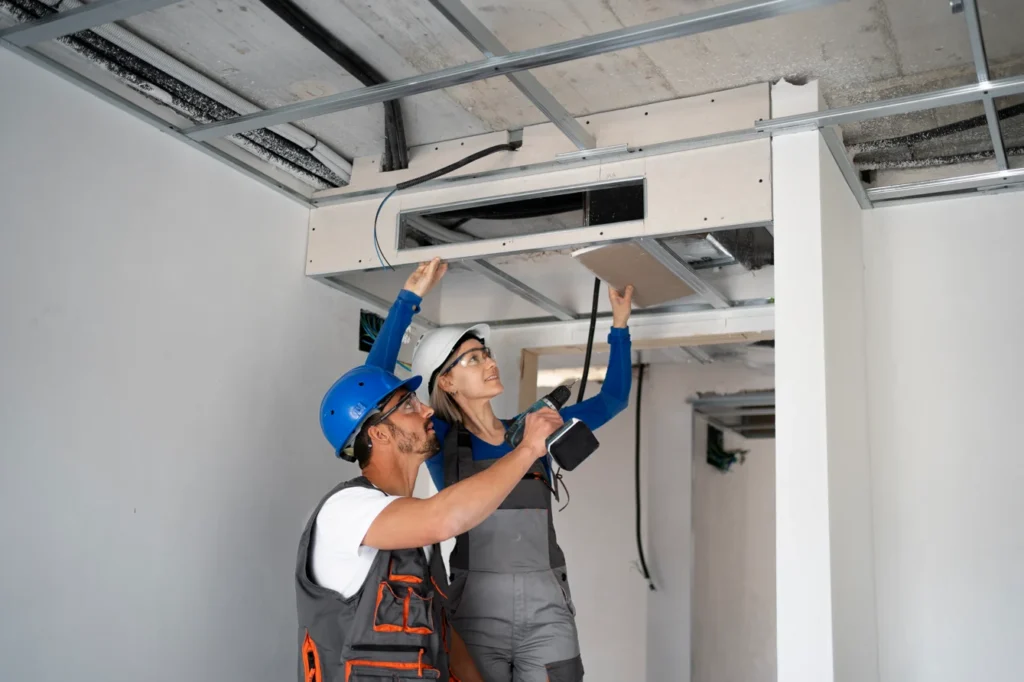
Your HVAC system runs almost year-round in Boston. Heating kicks in by October, and cooling takes over by June. That is close to 10 months of forced air moving through your ductwork, picking up and circulating whatever is sitting inside those ducts. If you have never thought about scheduling an air duct inspection in Boston, or if it has been years since the last one, your system may be working harder than it needs to and pushing contaminated air through your building while doing it.
The General Recommendation for Duct Inspections
The National Air Duct Cleaners Association recommends having your air ducts inspected every two years for residential properties and every one to two years for commercial buildings. However, this is a baseline, not a fixed rule. The actual frequency depends on how your building is used, how old the HVAC system is, and what conditions exist in and around the property.
For commercial spaces in Boston like offices, medical facilities, restaurants, and retail stores, the inspection schedule should be shorter because of higher occupancy, more foot traffic, and greater strain on the HVAC system.
Factors That Affect How Often You Need an Inspection
Building Age and Duct Material
Older buildings across Boston, especially those built before the 1990s, often have ductwork made from materials that degrade over time. Metal ducts develop rust and gaps at the seams. Flexible ducts can sag, tear, or collect moisture in hidden spots. If your building is over 20 years old and the ducts have never been replaced, annual inspections are a good practice.
Occupancy and Usage
A commercial office with 50 employees puts more demand on the HVAC system than a single-family home. More people mean more dust, skin cells, hair, and fibers entering the system through return vents. Restaurants and food service businesses add grease particles and cooking byproducts to the mix. For these types of businesses, air duct inspection in Boston should happen at least once a year, sometimes more.
Pets and Allergens in Residential Properties
For homeowners with pets, the ducts collect fur and dander at a faster rate. If anyone in the household deals with allergies or asthma, that buildup affects symptoms. Homes with multiple pets or allergy-sensitive residents benefit from inspections every 12 to 18 months instead of the standard two-year cycle.
Warning Signs That an Inspection Is Overdue
Even if you follow a regular schedule, certain signs tell you the ducts need attention sooner. These are the most common indicators:
- Dust buildup around vents and registers that returns within days of cleaning
- Uneven airflow between rooms, with some areas getting too hot or too cold
- A musty or stale smell when the HVAC system turns on
- Visible mold growth around vent openings or on duct surfaces
- A noticeable increase in energy bills without a change in usage
- Employees or residents reporting more frequent headaches, congestion, or respiratory issues
If you notice two or more of these, scheduling an air duct inspection in Boston should move to the top of your maintenance list.
Also Read: How Dirty Air Ducts Can Affect Your HVAC System Performance?
What Happens During an Air Duct Inspection?
An inspection is not the same as a cleaning. The purpose of the inspection is to assess the condition of the ductwork and determine whether cleaning, repair, or replacement is needed.
A standard inspection covers:
- Visual check of all accessible duct sections and connections
- Inspection of the air handler, blower, and coils
- Assessment of insulation condition around ductwork
- Check for moisture, mold, or pest activity inside the system
- Airflow measurement at supply and return vents
- Report with findings and recommendations
For commercial properties, inspectors may also evaluate the system against indoor air quality standards set by ASHRAE, which provides guidelines on ventilation and acceptable contaminant levels for occupied buildings.
Why Boston’s Climate Makes Inspections More Important?
Boston winters bring dry, cold air that forces heating systems to run at full capacity for months. Summers bring humidity that can introduce moisture into the duct system. This cycle of extreme temperature shifts creates conditions where dust compacts, mold grows in damp sections, and system efficiency drops. You will find that buildings in Boston need more attention on their HVAC systems compared to properties in milder climates.
Post-Construction and Renovation Inspections
If your building went through any renovation, remodeling, or construction in the past year, the ducts likely collected drywall dust, sawdust, insulation fibers, and other construction debris. Even if the work area was sealed off, fine particles find their way into the HVAC system. A post-renovation air duct inspection in Boston is necessary to check what entered the system during the project.
Commercial Properties Need Tighter Schedules
Property managers and business owners have a responsibility to maintain indoor air quality for tenants, employees, and customers. Poor air quality in a commercial building leads to more sick days, tenant complaints, and, in some cases, violations during health or building inspections. Keeping a consistent inspection schedule prevents these issues from building up without your knowledge.
How Mass Green Air Duct Cleaning Can Help?
Mass Green Air Duct Cleaning provides air duct inspection in Boston for commercial buildings, offices, restaurants, medical facilities, and residential homes across the greater Boston area. Our team inspects the full system, provides a detailed report, and recommends the right course of action based on what we find. No guesswork, no upselling, just clear information so you can make the right decision for your property.
If you have no idea what is inside those ducts, every cycle is a risk you are taking without knowing it. Call us today and schedule an inspection before the next season puts your system under full load again.