
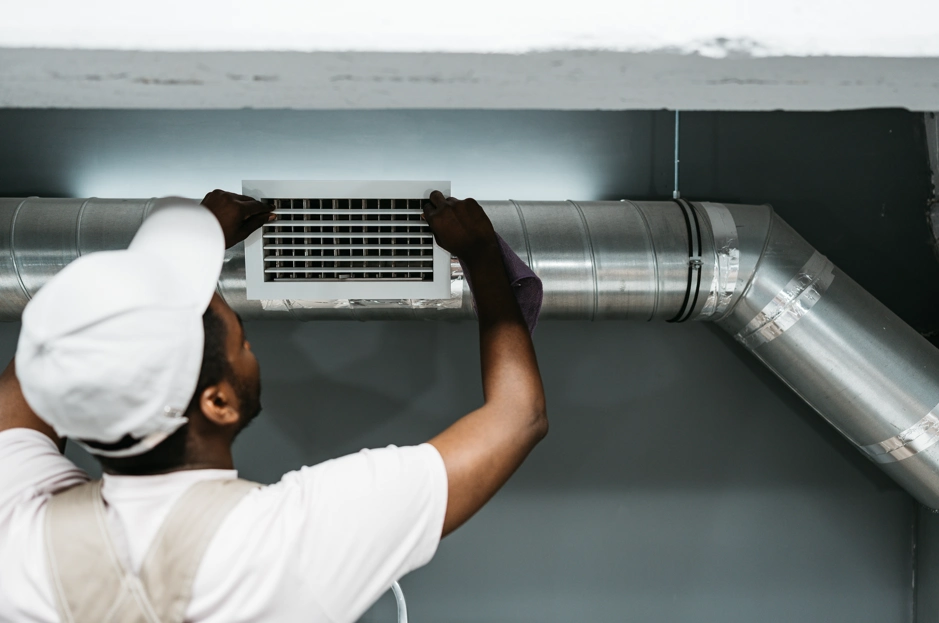
Air ducts work quietly above your ceiling and behind your walls until one day they start sending signals that something is wrong. For Boston offices, restaurants, hotels, and homes, catching those signals early saves you thousands in HVAC repairs, health issues, and tenant complaints. A scoped air duct inspection in Boston finds hidden problems long before they become emergencies.
Why Hidden Duct Issues Cost Owners So Much?
The EPA notes that indoor air can be 2 to 5 times more polluted than outdoor air. For Boston commercial buildings that stay sealed through long winter months, the load keeps building until the ducts fail a basic air quality test. By then, staff start calling in sick, tenants start complaining, and energy bills climb past reasonable limits.
Sign 1: Dust Comes Back Fast After Cleaning
Your staff wipes down tables, counters, and shelves. Two days later, the film is back. This is a duct issue, not a cleaning issue. Loose debris inside the supply lines gets pushed into every room each time the HVAC cycles. A camera inspection finds the source inside the duct runs and gives you a clear picture of what needs attention.
Sign 2: Rooms With Uneven Temperatures
Walk around your building. If one conference room feels 8 degrees warmer than the next, your ducts are out of balance. Common causes include:
- Crushed or blocked duct sections
- Dampers stuck open or closed
- Leaks at joints pulling air out of the system
- Long runs with undersized pipe
Restaurants feel this between the dining area and the kitchen. Hotels see it across guest rooms on the same floor. A scoped visit measures airflow at every register and locates the exact fault.
Sign 3: Energy Bills Climbing Without Reason
The Department of Energy reports that commercial duct systems lose 20 to 30 percent of conditioned air through leaks and poor joints. For a Boston office with a $2,400 monthly HVAC bill, that is $480 to $720 poured out every month. A proper inspection finds these gaps, and sealing pays for itself in the first year. Pairing the check with a full air duct cleaning visit clears debris that blocks airflow and makes the system work harder.
Also Read: Why Air Duct Cleaning Is Essential for Healthy Indoor Air in Boston?
Sign 4: Musty or Moldy Smell From the Vents
Boston summers bring humidity into every commercial building. When moisture sits inside cool duct walls for more than a few days, mold spores settle on dust and grow. Hospitals, daycares, schools, and hotels cannot afford this risk. Guests and tenants with asthma or allergies feel it first, and bad reviews follow within hours.
What an Inspection Checks for Mold Risk?
- Condensation on the coil and drain pan
- Insulation stains or visible mold patches
- Standing water around the air handler
- Airflow drop at the supply side
Sign 5: More Allergy and Respiratory Complaints
When sick days climb in your office, or tenants in your apartment building report breathing issues, ducts often sit at the center. Morning coughs, itchy eyes, sinus pressure that clears on weekends away from the building, frequent colds passing between coworkers, these all point to contaminants circulating through the duct system.
Sign 6: Strange Sounds From the Ductwork
A steady hum is normal. Banging, rattling, whistling, or popping is not. Each sound points to a different fault:
- Whistling often means a torn filter or loose register
- Rattling points to loose screws or debris inside the duct
- Banging at startup signals flexing panels from pressure shifts
- Popping at shutdown means thin, unsupported duct walls
For restaurants and bars, these noises bother guests. For offices, they distract staff during calls. An inspection locates each source and ranks the fixes.
Sign 7: Pest Activity Near Vents
Mice, rats, and squirrels use ducts as highways. Older Boston buildings near the waterfront or in neighborhoods with early 1900s brick construction have plenty of entry points. Scratching at night, small droppings near vent covers, chewed insulation, or a dead animal smell all point to pests inside the ductwork. A scoped visit finds entry points and damage before a full chimney cleaning or sealing job becomes necessary.
What Commercial Property Owners Gain From Yearly Inspections?
A yearly inspection for restaurants, offices, schools, and hotels is not a cost. It is a protection plan. Commercial HVAC systems run $15,000 to $80,000 for full replacement in Boston’s market. Catching a fault during a $300 to $500 inspection visit stretches system life by 3 to 7 years. Property managers also use the report during insurance renewals and tenant disputes as proof of care.
When Homeowners Should Book an Inspection?
For family homes, the baseline is every 2 to 3 years. Tighten that to every 12 to 18 months if you have pets, family members with allergies, or recent construction. Book within 30 days after any of these events:
- Kitchen, bathroom, or basement remodel
- Water damage from a burst pipe or roof leak
- Rodent or pest treatment inside walls or attic
- New furnace or AC install
Families with infants, elderly parents, or anyone with asthma feel the results fast. Better sleep, fewer sinus issues, less dust on furniture, and cleaner air without heavy fresheners.
Book Before the Next Season Shifts
Boston summers bring humidity and pollen. Winters bring sealed windows, dry heat, and recirculated air. Both seasons stress your ducts. A spring or fall inspection catches issues before peak demand, when service companies carry longer wait times and higher rates. Waiting turns a simple leak into a full replacement, and a small mold patch into a remediation project.
We at Mass Green Air Duct Cleaning serve commercial property managers, restaurants, hotels, and homeowners across Boston. Our team uses camera inspections, airflow meters, and EPA-approved methods to give you a full report in one visit. If your building shows any of the signs above, reach out through our contact page to book this week and protect your air quality before the next season hits.