
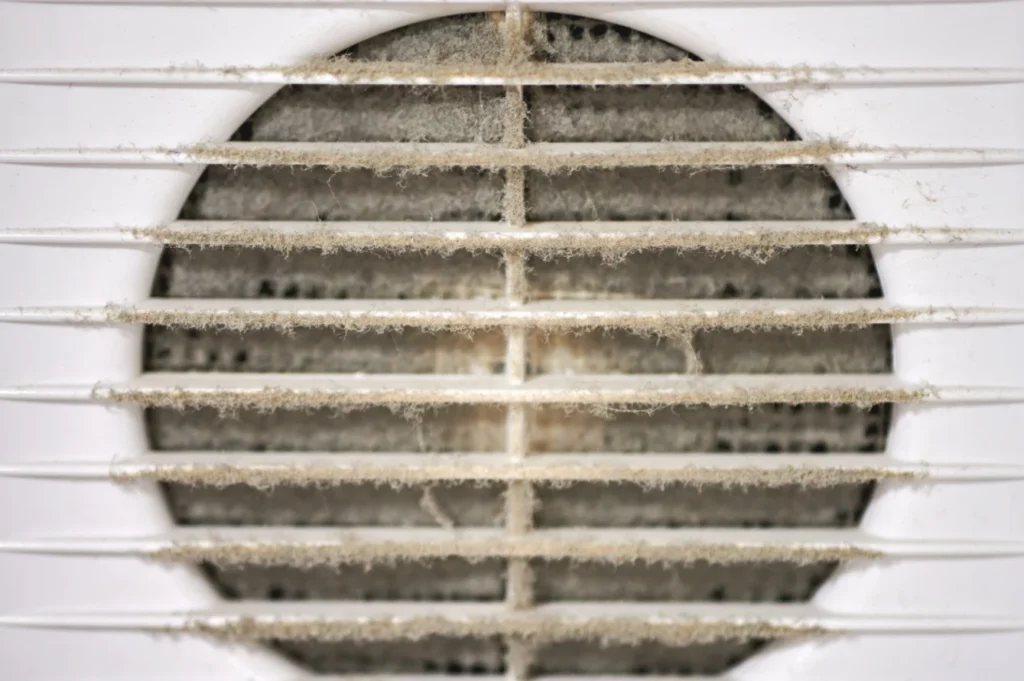
You clean the lint trap after every load. That’s what you’re supposed to do, right? So the dryer vent probably doesn’t need attention. Easy to forget about.
But that vent is doing important work. It carries hot, moist air and lint particles away from your dryer and out of your home. When it gets clogged, bad things happen. And we’re not talking about minor inconveniences. We’re talking about house fires, broken appliances, and money flying out of your pocket every month.
Most homeowners don’t think about their dryer vent until something goes wrong. By then, the damage is already done. Let’s talk about what happens when you skip this simple maintenance task.
The Fire Risk Is Real
Clogged dryer vents cause thousands of house fires every year in the United States. According to the U.S. Fire Administration, dryers cause approximately 2,900 home fires annually, and failure to clean them is the leading cause. That’s not a scare tactic. That’s data from fire departments across the country.
Lint is extremely flammable. Your dryer generates heat. When lint builds up in the vent, it restricts airflow and causes the dryer to run hotter. Eventually, that combination creates the perfect conditions for ignition.
Warning signs of a fire hazard:
- Clothes take longer than one cycle to dry
- The dryer feels extremely hot to the touch
- Burning smell when the dryer runs
- Lint accumulating around the dryer door or outside vent
- The laundry room feels unusually warm and humid
If you notice any of these signs, don’t wait. Dryer vent cleaning in Boston services can clear the blockage before it becomes dangerous.
Your Energy Bills Go Up
When airflow is restricted, the machine can’t expel moisture efficiently. Clothes stay damp. You run another cycle. And another. Each cycle costs money.
A dryer with restricted airflow can use up to 30% more energy than one with clean vents. Over a year, that adds up to real money on your utility bills.
Think about how often you run your dryer. Weekly loads for a family of four can mean hundreds of cycles per year. If each cycle takes longer and uses more energy because of a clogged vent, you’re essentially throwing money away.
Dryer vent cleaning in Boston typically costs far less than the extra energy you’ll spend over a year running an inefficient machine. The math makes sense.
Your Dryer Won’t Last As Long
Dryers aren’t cheap. A decent machine costs several hundred dollars, and higher-end models run over a thousand. Nobody wants to replace theirs sooner than necessary.
But that’s exactly what happens when vents stay clogged. The dryer has to work overtime to do its job. Motors run longer. Heating elements strain harder. Internal components wear out faster than they should.
The average dryer lifespan is 10 to 13 years with proper maintenance. Skip the maintenance, and you might be shopping for a new one in five or six years.
Replacing a dryer because of neglected vent cleaning feels especially frustrating. It’s preventable damage. A simple cleaning once a year could have added years to the machine’s life.
Mold and Moisture Problems
When your dryer can’t push moist air outside. It often ends up in your laundry room, inside your walls, or in the vent itself.
Moisture problems can cause:
- Mold growth in and around the vent
- Musty smells in the laundry area
- Peeling paint or wallpaper
- Warped baseboards or flooring
- Respiratory issues for household members
Mold thrives in warm, damp environments. A poorly ventilated dryer creates exactly those conditions. Once mold takes hold, removal becomes expensive and disruptive.
Boston’s climate doesn’t help. Cold winters mean the temperature difference between the warm vent air and the cold exterior can create condensation issues. Regular dryer vent cleaning in Boston helps prevent moisture from building up where it shouldn’t.
Carbon Monoxide Risks for Gas Dryers
If you have a gas dryer, the stakes get even higher. Gas dryers produce carbon monoxide during operation. A properly functioning vent carries that gas safely outside your home.
When the vent is clogged, carbon monoxide can back up into your living space. Carbon monoxide is odorless and colorless. You won’t know it’s there until symptoms appear.
Carbon monoxide poisoning symptoms include headaches, dizziness, nausea, and confusion. At high levels, it can be fatal.
Every home with a gas dryer should have carbon monoxide detectors. But detectors are a backup measure. Keeping your vent clean is the primary defense against this invisible danger.
How Often Should You Clean Your Dryer Vent?
Most experts recommend professional cleaning at least once per year. Some households need it more often.
You might need more frequent cleaning if:
- You have a large family doing lots of laundry
- You have pets that shed heavily
- Your vent runs a long distance or has multiple turns
- You dry bulky items like blankets and comforters regularly
Longer vents with more bends collect lint faster than short, straight runs. The path your vent takes matters when determining cleaning frequency.
Dryer vent cleaning professionals can assess your specific setup and recommend an appropriate schedule. Not every home is the same.
Let Mass Green Air Duct Cleaning Help
At Mass Green Air Duct Cleaning, we’ve seen what happens when dryer vents get neglected. Lint packed solid from the dryer all the way to the exterior vent. Machines are on the verge of breaking down. Homeowners are shocked at what comes out of their vents.
Dryer vent cleaning in Boston shouldn’t be something you put off until there’s a problem. By then, you might be dealing with a fire, a broken dryer, or a mold situation.
Your family’s safety isn’t something to gamble with. Contact Mass Green Air Duct Cleaning today and take this task off your worry list.